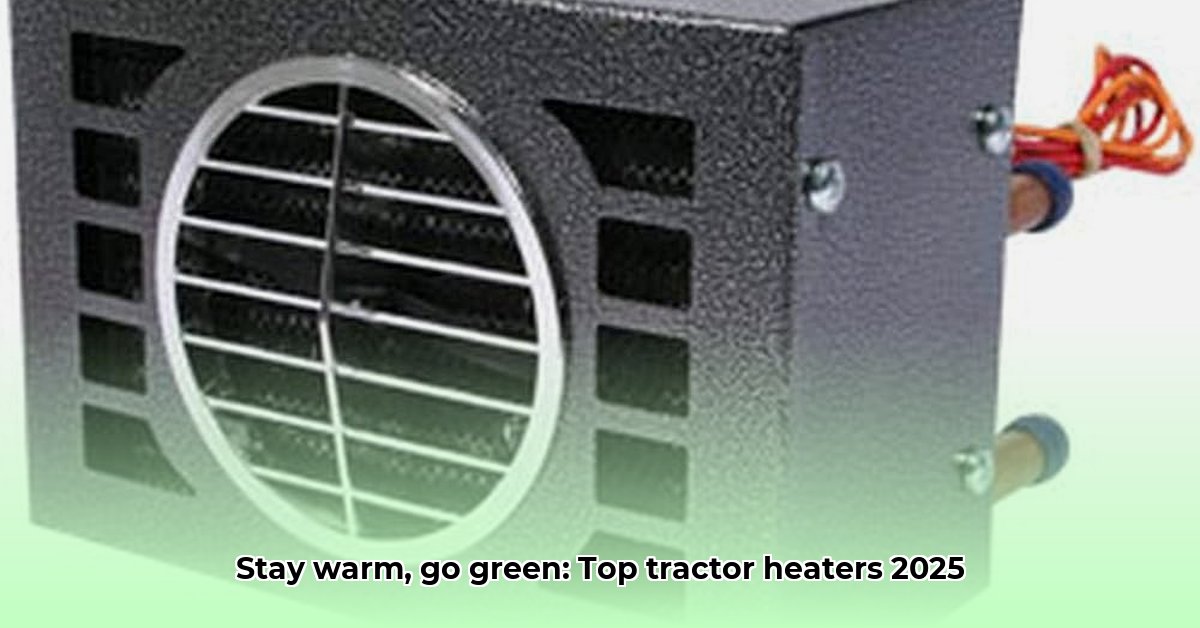
Tractor Heater Systems: A Comprehensive Guide to Sustainable Heating
Maintaining a comfortable cabin temperature is crucial for operator well-being and productivity. However, traditional tractor heating systems often come with high energy consumption and environmental consequences. This guide explores the leading tractor heating technologies for 2025, emphasizing eco-friendly solutions and providing a practical framework for choosing the best system for your needs. We'll delve into the pros and cons of various heating systems, enabling farmers, manufacturers, and other stakeholders to make informed decisions.
Resistive Heaters: Simple, Affordable, but Energy-Intensive
Resistive heaters are the most common type of tractor heater. They function by directly converting electricity into heat, offering a simple and inexpensive upfront solution readily available at most agricultural supply stores. However, their substantial energy consumption leads to higher electricity bills and a larger carbon footprint compared to more efficient alternatives.
Pros:
- Low initial cost: Represents a cost-effective entry point for budget-conscious operations.
- Easy installation: Generally straightforward to install, potentially reducing labor costs.
- Wide availability: Readily available from numerous agricultural equipment suppliers.
Cons:
- High energy consumption: Significantly increases electricity bills, impacting operating costs.
- High running costs: Long-term operational expenditure can outweigh the initial low purchase price.
- Environmental impact: Contributes significantly to greenhouse gas emissions.
Best for: Small-scale operations with limited budgets operating in mild climates where high energy efficiency is not a primary concern. For those prioritizing immediate affordability over long-term cost savings, resistive heaters provide a simple solution.
Heat Pumps: Efficient, Sustainable, and Cost-Effective in the Long Run
Heat pumps utilize a thermodynamic process to transfer heat from the outside air into the tractor cab. They offer remarkably higher energy efficiency compared to resistive heaters, translating to lower electricity bills and a reduced environmental impact. While the initial investment is higher, the long-term cost savings and environmental benefits make them an attractive option for many agricultural operations.
Pros:
- High energy efficiency: Substantially lower electricity consumption compared to resistive heaters.
- Reduced environmental impact: Minimizes greenhouse gas emissions, aligning with sustainable practices.
- Long-term cost savings: Lower operating costs eventually offset the higher upfront cost.
Cons:
- Higher initial cost: Requires a larger initial investment compared to resistive heaters.
- More complex installation: Often requires professional installation, adding to the overall cost.
- Reduced efficiency in extreme cold: Performance can decrease in very low temperatures, potentially requiring supplemental heating.
Best for: Farmers prioritizing long-term cost savings and reduced environmental impact. The lower operating costs and reduced emissions make them ideal for larger farms where the initial expense is justified by long-term gains.
Waste Heat Recovery Systems: Maximizing Efficiency and Minimizing Waste
Waste heat recovery systems represent the pinnacle of efficiency in tractor heating. These systems capture the waste heat generated by the tractor's engine, which is typically lost to the environment, and use it to heat the cab. This approach leads to dramatically reduced fuel consumption and minimal environmental impact. However, the high initial cost, complex installation, and potential for higher maintenance make them suitable only for large-scale operations with significant environmental and economic priorities.
Pros:
- Exceptional energy efficiency: Significantly reduces fuel consumption, leading to substantial operating cost savings.
- Minimal environmental impact: Virtually eliminates wasted energy and significantly reduces emissions.
- Significant long-term cost savings: The substantial fuel savings quickly offset the high initial investment.
Cons:
- Very high initial cost: Represents a substantial financial commitment requiring careful budget planning.
- Complex installation: Requires specialized installation by qualified technicians, potentially increasing overall cost.
- Potential for higher maintenance: The complex system may require more frequent maintenance compared to simpler alternatives.
- Limited availability: These systems aren't as widely available as resistive heaters or heat pumps.
Best for: Large farms where maximizing efficiency, minimizing environmental impact, and achieving long-term cost savings are paramount, even with the substantial upfront investment.
Choosing the Right Tractor Heater: A Decision Framework
Selecting the optimal tractor heating system requires careful consideration of several key factors:
Budget: Balance initial costs with long-term operating expenses. Resistive heaters are the cheapest upfront, while heat pumps and waste heat recovery systems provide long-term cost savings.
Environmental impact: Heat pumps and waste heat recovery systems offer significantly lower environmental footprints.
Climate: Consider the coldest temperatures you'll encounter; heat pumps' efficiency may decrease in very cold conditions.
Technical expertise: Waste heat recovery systems demand skilled installation and maintenance.
Farm size: Larger operations will likely realize greater cost savings with the more efficient systems.
Future Trends in Tractor Heating
The field of tractor heating is constantly evolving. Continued research is driving the development of more innovative and sustainable options. Government incentives and stricter emission regulations are expected to accelerate the adoption of energy-efficient technologies in the years ahead. This will likely result in improved efficiency and lower costs for greener solutions.
Comparative Analysis of Tractor Heater Systems
| Feature | Resistive Heater | Heat Pump | Waste Heat Recovery |
|---|---|---|---|
| Initial Cost | Low | Medium-High | High |
| Operating Cost | High | Low | Very Low |
| Efficiency | Low | High | Very High |
| Environmental Impact | High | Low | Very Low |
| Complexity | Low | Medium | High |
Remember to consult with your local equipment dealer for personalized advice based on your specific needs and climate conditions.
Total Cost of Ownership: Lifespan and Maintenance Considerations
The total cost of ownership extends beyond the initial purchase price, encompassing running costs, maintenance, and the system's lifespan. Let's consider two common types:
Engine Coolant Heaters: Powerful but Potentially Costly Long-Term
Engine coolant heaters provide powerful heating but demand a higher initial investment and complex installation. While their lifespan is generally longer, repairs can be expensive.
- Pros: Powerful heating, leverages existing tractor systems.
- Cons: High initial cost, complex installation, potential for costly repairs.
12V Electric Heaters: Simple and Affordable, but Limited Capacity
12V electric heaters are less expensive upfront and easier to install. However, their heating capacity is limited, making them unsuitable for extremely cold climates. Their lifespan may also be shorter than engine coolant heaters.
- Pros: Low initial cost, straightforward installation.
- Cons: Limited heating capacity, higher energy consumption, shorter lifespan.
Optimizing Total Cost of Ownership: Factors to Consider
- Climate: Extreme cold necessitates a more powerful, potentially more expensive, heater.
- Frequency of use: Infrequent use may justify a less powerful, but cheaper, option.
- Budget: Consider both initial cost and potential long-term maintenance expenses.
- Cab insulation: Improved insulation significantly enhances the efficiency of any heater.